Episode Transcript
[00:00:01] Speaker A: Now, wait a minute. Now wait a minute.
[00:00:02] Speaker B: This election, which will be, I do truly believe, the most important election of our lifetime.
[00:00:08] Speaker A: This is the most important election of our lifetime.
[00:00:11] Speaker B: This is the most important election.
[00:00:14] Speaker A: Don't you you hear that?
This is the most important election in our lifetime.
[00:00:19] Speaker B: I certainly think it's the most important election of my lifetime.
[00:00:22] Speaker A: This is the most important election of our times.
Politicians say every time, this is the most important election. This one's really that important.
[00:00:31] Speaker B: Welcome back once again, voters, to the most important election of our lives. I'm Kennedy Cooper, and we have. I need you to get in line and stay in line because we have a real life voting person, a man you can vote for if you live in New Mexico. If you don't. Well, we have an incredible guest today. It's gonna be a little bit of a different episode.
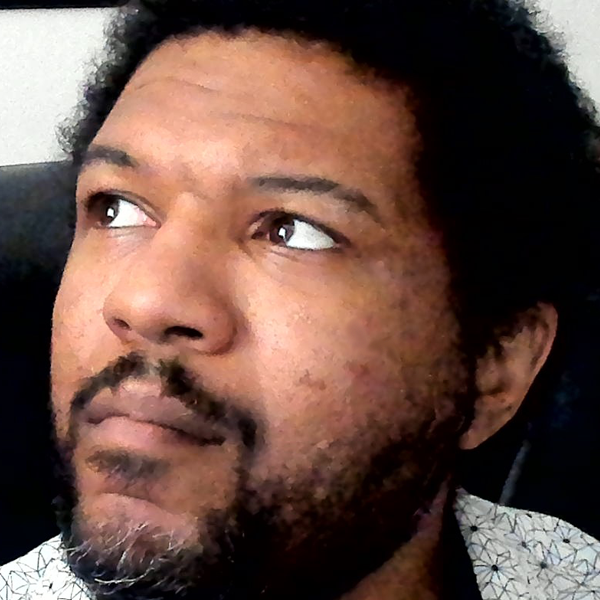
We've got Sam Bregman, the current Bernalillo county district attorney, a man running for governor of New Mexico. Sam, welcome to the show. It's so great to have you.
[00:01:03] Speaker A: Oh, it's great to be here. Thank you. This is fun.
[00:01:06] Speaker B: Yeah, well, it's just. It's just a pleasure. You have a really storied career in politics already leading up to this. You have been a city councilor, you've been a long time attorney, and now you're running for governor. That's a big step, huh?
[00:01:19] Speaker A: Oh, of course it's a big step. You know, we've got a lot of challenges in the state we have to address.
[00:01:24] Speaker B: I couldn't agree more. And I think, you know, we do need some leaders to step up and help take charge here. So I'm interested to hear what you have to say today about some of the topics we're gonna go through. And I think let's talk about the
[00:01:35] Speaker A: most important election of this. Let me tell you, I love that title because this is really an important election. It's not about the next four. It's about the next 40 years. Right.
What direction we're going in as far as the state is concerned.
[00:01:49] Speaker B: Yeah, you know, we talk a lot about joke. You know, we've talked a lot about voting on this show. Sometimes in a little bit of a joking, but we always are pressing that. Gotta vote. You gotta vote. You gotta vote. And it is true. And we talk a lot about the importance of especially local elections, the things right in your state. That's what's gonna change and affect your life more. A lot more than a lot of the federal decisions. In a lot of cases, I couldn't
[00:02:12] Speaker A: agree with you more.
[00:02:13] Speaker B: It's great to have you here to talk about all this. So you're currently the Bernalillo County District Attorney. What is that job like?
[00:02:19] Speaker A: Well, listen, I'm the chief law enforcement officer in the county. We're. I have 330amazing employees in that office that get up every morning and try and make this community safer. You know, we prosecute everything from first degree murder all the way down to misdemeanor shoplifting. We do it all. We have lat. In 2025, we had 25,000 cases referred to the district attorney's office from law enforcement.
[00:02:45] Speaker B: So it's a busy job.
[00:02:46] Speaker A: Oh, it's a crazy busy job. And I love the job.
Listen, I love the courtroom. I love being able to hold people accountable. I love also the opportunity and the discretion that we have. You know, just for example, we want to hold people accountable, but we also want to get them the help they need. We know, for example, this fentanyl drug out there is the scourge of so much going on in our community right now.
We divert a lot of people, we give them a chance to get the help, go get some treatment, and we'll dismiss that low level felony if they take advantage of that offer.
And it's really important that we hold people who are willing to traffic the drug, for example, totally accountable. But the people who are just addicts and just get hooked on this terrible drug, for example, we need to be able to give them a chance. Because I can't prosecute my way out of that issue.
[00:03:35] Speaker B: Right.
[00:03:36] Speaker A: We gotta get. We gotta affect the supply and the demand side of that issue.
[00:03:40] Speaker B: Yeah, we know that just punitive only is a dead end.
[00:03:44] Speaker A: No, we gotta, we gotta have it both ways. We gotta do both. And it's not just fentanyl. It's juvenile crimes. The same way we need to rush in and give juveniles help when they first get in the criminal justice system, when they first make that bad decision. And we all know as kids they make bad decisions. So there's another example of trying, making sure they get all the behavioral health, mental health, family intervention they may need.
And then hopefully we won't continue to see them in the criminal justice system. If we do and they hurt people. We have to hold them accountable.
[00:04:14] Speaker B: Absolutely. Well, I think it's great that New Mexico has been a leader in showing that there are some alternative paths forward for criminal justice and things of that nature. And I think it's great to have potentially a governor that, you know, sees that need to keep expanding those Kinds of programs and that kind of work.
[00:04:32] Speaker A: We have diverted over three in three years, over 3,000 people out of the criminal justice system. We've given them that opportunity. Some of them, unfortunately, have come back in. But we give them that opportunity because we believe in that. We have a pre prosecution diversion program that really works. And the graduates of that program, the recidivism rate is only about 6.7%. That's really good.
The question is, are people motivated to get the help? And when they're motivated to get the help and we. We've got to continue to invest in behavioral health and mental health and addiction recovery.
[00:05:05] Speaker B: Couldn't agree more.
[00:05:05] Speaker A: In this state, have to continue it. Have to make more beds out there. They get that opportunity that we've got to hold them accountable.
[00:05:12] Speaker B: You wanted to talk about a TV show that you love today?
[00:05:17] Speaker A: No, I think this was somebody on the campaign's idea. This wasn't my idea.
[00:05:21] Speaker B: This wasn't your idea not to talk about Landman.
[00:05:23] Speaker A: But Landman is a funny show.
[00:05:26] Speaker B: It's a show you enjoy.
[00:05:27] Speaker A: I enjoy it, but not because it's in any way close to being reality.
[00:05:33] Speaker B: I see. I was confused because I thought you were a character from Landman. First I saw you in the cowboy hat. Yes. Yes.
[00:05:40] Speaker A: This is your doing. It's not even my campaign doing. Look, I love my cowboy hat. I've been wearing it since I've been 18 years old. When I came out here to go to college, and my brother and I started riding horses and stuff. And listen, I love. I love my cowboy hat and my boots and my horses.
[00:05:56] Speaker B: Yeah.
I mean, you're. You're a new Mexican. That's part of the culture out here, is to embrace things like that. I think that. I think anybody that lives here that takes absolutely no interest in those things. It's a little odd to me because
[00:06:09] Speaker A: this is the great outdoors.
New Mexico has so much to offer. And when you've got so many wide open spaces and the ability to get on a horse and go ride for a little bit or just go out and hike, It's a special place. Yeah, it really is.
[00:06:23] Speaker B: I really agree.
You've been a prosecutor, city attorney. You've worn a number of different hats.
[00:06:29] Speaker A: An attorney in the city?
[00:06:30] Speaker B: Yeah.
[00:06:31] Speaker A: Well, not technically a city attorney, but yes.
[00:06:33] Speaker B: Good correction.
[00:06:34] Speaker A: Good correction.
[00:06:35] Speaker B: Thank you.
Sam's keeping me honest here, folks.
[00:06:38] Speaker A: Every day.
[00:06:40] Speaker B: But you've worked in a few different roles here, kind of in and outside of local government and associated with local government. What have these things taught you about how New Mexico works.
[00:06:52] Speaker A: Listen, you said something really important earlier on local elections. Whether or not it's a statewide election for governor, whether or not it's a city council race or a county commission race, really, really important because it's where the rubber meets the road as far as getting things done. Right. I mean, if you want to improve the quality of life for people, if you want to improve neighborhoods, it's not going to come out of Washington.
[00:07:13] Speaker B: Right.
[00:07:14] Speaker A: It's going to come out of your local government. And so who you elect, you got to elect people that get things done, that have results to show. That's why I'm very proud of the work that we do at the DA's office. We're getting things done, and that's really important. Local government can be very effective. It also can be not very effective.
[00:07:33] Speaker B: That's so true.
[00:07:34] Speaker A: And it depends on who we elect. And, and I have a can do mindset. I have an attitude that I'm going to get up in the morning and get something done. And if you're in a public role or if you're in a leadership role, that's your job.
[00:07:47] Speaker B: Yeah, I couldn't agree more. And yeah, I really appreciate your passion for local politics because I think it's so important. Something I try to emphasize to my listeners all the time, my viewers all the time, is that if you were to make a list of the 10 political topics that affect you the most right now that you're thinking about the Most right now, 9 out of 10 of them are going to be solved by your county commissioners and your city council.
And, you know, the president has nothing to do with it.
[00:08:14] Speaker A: State government can help with a lot of those issues, too. I do believe that it's very important. But, you know, look, if you talk about the things.
When it comes to politics, if you talk about the things that people talk about at the breakfast table or the dinner table, it's public safety, crime, it's education, it's health care, it's economic opportunity. So, in other words, is my neighborhood safe? Are the kids getting a good education?
Is. Does the family have health care, accessible and affordable health care? When it comes to economic opportunity, do we have the jobs out there in New Mexico so that kids or grandkids of mine don't have to leave the state and head somewhere else to get a good job? Yeah, because if you get a good job and you're able to support your family, you know, a lot of bad things go away.
[00:09:03] Speaker B: Yeah, right. No, it's true.
[00:09:05] Speaker A: And so we, we have to as, and I'm not saying, I mean, would
[00:09:08] Speaker B: you not say the majority of crime stems from economic instability on some level?
[00:09:13] Speaker A: Economic instability. And also this Fentanyl, you know, that's a driver of crime. That's to no end. It, it is the worst drug that I've ever seen since I've been on the planet. I've been on the planet for 62 years and there is no drug that has hurt, harm, destroyed more lives than fentanyl.
[00:09:33] Speaker B: Yeah.
[00:09:34] Speaker A: So, you know, it's, it's that and it's economic insecurity, but people get addicted to that drug because it's so addicting. Yeah, Addiction, economic insecurity, a lack of education. Listen, when you're first in crime and 50th in education, those two are intersecting.
[00:09:52] Speaker B: That's. That is not a coincidence.
[00:09:53] Speaker A: No, absolutely.
We can do so much better and we have so much going for us in this state already. Whether or not you talk about landmine, you talk about energy. Right. We have a tremendous amount of energy. It's not just oil and gas. It's renewables, it's wind, it's solar. Oh, yeah, it's hydrogen. It's all of these things, right?
[00:10:16] Speaker B: Yeah. No, I couldn't agree more. There's a lot of opportunity here, and I think, you know, we're at a time where people are looking for those opportunities. They're looking for answers that are a little different because clearly some of the same old same old isn't really getting us where we want to go. Right.
So on that subject, actually, you position yourself as kind of a practical Democrat, not really an ideological one. I think in some ways that's really good for our moment. Given that there's too much ideological stuff going on in certain parts of the government, it's quite unpleasant. But I do think also, you know, kind of positioning yourself that way could also make some people a little nervous because they don't necessarily know where you stand. Right.
[00:10:55] Speaker A: That's what it's all about knowing. And if you're gonna run for governor, you better be willing to tell people where you stand.
[00:11:00] Speaker B: Right?
[00:11:01] Speaker A: Absolutely.
[00:11:02] Speaker B: So what does this mean from like a practical, like day to day governing sense to you to be a practical Democrat?
[00:11:09] Speaker A: It's, it's a really great question. It's a question I've been answering all over the state and I'm glad you asked it.
It's about something I mentioned earlier. It's about getting things done. Right. In other words, waking up, not being so rigid in your ideology that you are just. This is All I'm going to focus on, and all the people that don't support me on this, they be damned. I'm going to go push this through the best I can, and that's all I want to accomplish.
If you're an elected leader, whether or not it's a city council or the governor of this great state, you got to wake up every morning, in my opinion, and focus on how am I going to improve the quality of life of every New Mexican out there? How am I going to do things that make a difference for everybody, whether or not it's cleaning the streets up with crime so small businesses can flourish, or whether or not it's just making sure our schools are a place that are really educating our kids. Right. These are important things. And that isn't all going to happen with a flash in the pan. It's not going to happen with a news conference. It's actually going to happen with people getting up and grinding it out, going to work and working on the things to make a difference. That's what my practical idea of leadership is, is just going in and working your tail off, seeing the result. And I'm going to surround myself with really smart people, and then I'm going to let them go do the job that they're supposed to do. And if they run into a, you know, a bump in the road, then tell me, and if I can help, we'll figure it out and help. But. But the thing is, let people go get the job done. That's what I really want to accomplish.
[00:12:45] Speaker B: I think that's so important. I think a lot of what bothers me about politics right now is just things not getting done while we watch things fall apart. Right.
[00:12:53] Speaker A: And we see this extremism, radical extremism on both sides.
And I don't.
Fine. I have no problem with. This is a democracy, this is America. People should feel strongly and passionately about the issues of the day, but at the same time, we have to get things done to move our state forward.
[00:13:12] Speaker B: Yeah, I think that's great. And I think, you know, I just want to point out to all my viewers and listeners out there that you were willing to come have a conversation with me. We don't necessarily totally align on every belief, but you were more than willing to come sit down and have this conversation with a really open heart and open mind.
And I just hope people out there appreciate that, because I really appreciate it.
[00:13:30] Speaker A: I hope they appreciate it, and I hope they vote for me.
[00:13:36] Speaker B: So I think Landman is really interesting because it's a show about oil, which is this thing that really grips this part of the country that we live in.
It is very much tied to the history and economics of this place.
And it's about what oil does to a place.
[00:13:53] Speaker A: Sure.
[00:13:54] Speaker B: And I think that there's. I think that there's some interesting things that we can look at and how that relates to politics here in New Mexico.
[00:14:00] Speaker A: Of course.
[00:14:01] Speaker B: I just think it's a really interesting show.
[00:14:03] Speaker A: So it's a funny show. It's not realistic in the least bit.
[00:14:08] Speaker B: No, it's pretty wild.
[00:14:09] Speaker A: It is pretty, absolutely wild when you've got the senior center and all that stuff. Oh my God. Some of the things that are just crazy in that show. But you're right. I mean, listen, New Mexico is the second largest producer of oil and gas in the country.
[00:14:25] Speaker B: Right.
[00:14:25] Speaker A: And. And that's important for a lot of reasons. It's important to recognize that oil and gas does a tremendous amount for our state. It funds $1 billion a year for education.
It's close to half the state budget. I mean, without it, we would be in a real.
[00:14:44] Speaker B: Right. It's like something like 35% or so.
[00:14:46] Speaker A: It's more budget, actually. But it's really could be. I mean, it would be very harmful to our state government and our ability to provide services if we didn't have it. That's not to say, though, that we don't have and we don't continue to work for a cleaner environment that's so important. The methane rules that were put in place by this current governor. I'm very much in support of it, but I'm not in support of just simply bashing on oil and gas because what I want to do, and we all know that oil and gas is not going to be forever this incline and continue to continue incline. It's already starting to level off. With the exception of what's going on in the Middle east right now, we know that it's going to level off and eventually it's going to start to go down. The question is, is New Mexico going to be positioned well enough to take advantage of all the benefits we've had from oil and gas and all the benefits. Benefits we're currently getting. So in other words, we're using it as a bridge to help us build the infrastructure of the future? I think that's when it comes to energy, right. Renewables, wind and solar. Again, New Mexico is plentiful when it comes to wind and solar. We have plenty of it. We need to make sure we are expanding our Transmission lines and our capabilities, our capacity, if you will, so that we can actually make sure that, that our electric rates for our people aren't going up down the road. We can do all of this. And I, I'm not for, I'm not for this. Sometimes people have ideas of, well, it's one or the other. No, it's all of the above. We have not only renewables, not only oil and gas, we have geothermal. We, we have a lot of opportunities when it comes to energy. We should be planning for the future because it's not just energy.
The jobs of the future in this state are. We are so well set up for the high tech industry of the future. New Mexico is an amazing place. Brain power, right?
[00:16:42] Speaker B: Yeah.
[00:16:43] Speaker A: Los Alamos National Labs, Sandia National Labs, UNM Research, Quantum computing. I mean, you know this as well as anybody, but the, the iPhone and all of its capabilities is going to look like a horse and buggy compared to a Lamborghini. When quantum computing is around 15 years now, it's going to be crazy. The technology is going to be amazing. We know how fast it's advancing.
So the middle Rio Grande Valley, for example, in that corridor. And we have to have economic development throughout the state. But that corridor is so well positioned to be a real high tech corridor for the future.
And why not? In New Mexico? We have the energy. There's a whole nother issue about water. And we've got to address the water issues and they're wasted.
[00:17:26] Speaker B: Yes, we do. Thank you for saying something about that.
[00:17:28] Speaker A: Water is.
Listen, this whole state and how we grow is going to be very dependent on whether or not we have the leadership to take care of the water.
[00:17:37] Speaker B: Yeah. I didn't actually put this in the notes, but I was thinking if Landman was in New Mexico, it would be about water.
[00:17:41] Speaker A: Oh, it's.
But oil and gas is about water. They have a lot of, you know, for, I don't know, eight barrels of water produced for every one barrel of oil that comes up with it. We have to get that right, that issue. Right. We have to be able to clean that up, that water up and make it so at least be able to use for industrial standards like our data centers, our AI centers, everything like that. We also have, we also sit on the largest brackish water aquifer in the world. It's 3,500ft deep.
[00:18:12] Speaker B: Right.
[00:18:13] Speaker A: There's an ocean of it. Yeah, there is an ocean. And the desal, the desalination of water and the economies to scale are all coming together pretty Nicely right now as far as it's affordable to do it. And I know that the state has started a lot of pilot programs out there. I'm excited about that. Because every drop of precious water that we can preserve for our people by using brackish water or produced water for industrial type uses, that's a win.
That's a win 100%.
Because we know our surface water is going to be 25% less than 25 years.
[00:18:49] Speaker B: Right.
[00:18:50] Speaker A: So we have to preserve every precious water.
[00:18:53] Speaker B: Yeah.
[00:18:53] Speaker A: Every drop of precious water.
[00:18:55] Speaker B: Yeah. Every bit of clean water needs to go to things like drinking, bathing, things that.
[00:18:59] Speaker A: Growing our crops.
[00:19:00] Speaker B: Right.
[00:19:00] Speaker A: Absolutely. The things that we live on.
[00:19:04] Speaker B: Right. Do you think you kind of took a, you know, like a. You don't want to completely hate on oil industry stance just now? Do you think Landman is kind of a pro oil or anti oil show, or do you think it's one of those uniquely American things that's all at once?
[00:19:22] Speaker A: It may be American that it's all at once, but. But look, the oil and gas industry, I think it shows the fact that. That so much of what we live with every single day is dependent on oil and gas production.
[00:19:35] Speaker B: Right, Right.
[00:19:36] Speaker A: So much of our income here in New Mexico is dependent on oil and gas production. But at the same time as that is concerned, we need to hold bad actors responsible. If you're polluting our air, our water, our land, and you're violating the law, we need to hold you accountable. And I'm not a law and order guy. That's what I'm all about. And I'm emphatic about that. That we have to. That's. We're in a country, in a state that's the rule of law should always prevail and no one's above it. And so we need to hold bad actors accountable. At the same time, I'm not someone who's going to say, shut down all of oil and gas. Good luck with that. How are we going to pay our teachers? Yeah, we don't get to just shut down oil and gas. No, we have some kind of balance. Yeah, we have to have a balance.
[00:20:21] Speaker B: Yeah.
So you. You'd hold Jon Hamm accountable from Landmanda?
[00:20:27] Speaker A: Which one?
[00:20:28] Speaker B: He's the. He's. He's the actor that plays the. The boss.
[00:20:32] Speaker A: Oh.
Hold everybody accountable.
And I will tell you, I've. I've spent time in the old punch. We have a lot of.
It's not just money. And, but. And you know this, the oil and gas industry, it's Responsible for a hundred thousand direct and indirect jobs.
[00:20:49] Speaker B: Right.
[00:20:49] Speaker A: And the reason I bring that up is we have a lot of hard working people and families that work in the oil patch. Yeah, they do.
[00:20:56] Speaker B: We gotta have answers for them.
[00:20:57] Speaker A: We have to have answers for them for the future. Whether or not it's, it's training again, you know, enhancing their training so they can work on wind turbines or build solar farms or plug these vacant wells. I mean, we have to have all that training in place. We have to have career paths for our people.
[00:21:12] Speaker B: Yeah, well said. So right now in particular we have this war going on in Iran and it is driving gas prices through the roof. Consumers are very worried about this, obviously. It really seems like this is to some extent a wake up call about what kinds of futures do we want to have with regards to energy?
So what do you think some of our most promising energy futures are? And if you were going to pick one thing in particular to highlight as an investment that you would put, you know, energy and money into as governor for our energy future, what would be like one that you would highlight?
[00:21:47] Speaker A: Well, I'm going to say all the above again.
But here's the deal though. I mean, wind and solar, we know what that's capable of producing. We have to have better capacity on storing that energy once it's produced.
[00:22:03] Speaker B: Yes.
[00:22:04] Speaker A: Because we all know that if you don't have any place to store it, then what good is it?
[00:22:08] Speaker B: Right.
[00:22:08] Speaker A: We don't have it really. So the energy can be produced by the wind and solar, the geothermal, that's, that's a real clean source as well. It's just heat coming up from, from way beneath. Yeah, that is a great opportunity as well. So I don't want to feel like it's appropriate to narrow it down to just one or the other because New Mexico really forget oil and gas for one minute and that is a huge part of it all. But forget that for a second and just recognize that we still have the opportunity to become the energy capital of the world.
[00:22:41] Speaker B: We have a great environment for wind and solar and geothermal. The three things you just mentioned, we have it all right here.
[00:22:47] Speaker A: Right, right, exactly.
[00:22:49] Speaker B: Yeah.
[00:22:49] Speaker A: And so we, we need to make sure that our, and it's all you talked about, affordability, our gas prices going up for, you know, that's a real concern. Yeah, it's a real concern to the consumer. You know, the state, as you could probably imagine, when oil and gas prices go up, they benefit because a dollar a barrel more.
[00:23:07] Speaker B: Right.
[00:23:07] Speaker A: Means like $35 million to the state. So if it doubles almost as it almost has right now, that's a significant amount of revenue, over a billion dollars. If it lasts for a year, that's a lot of more money. But the most important thing is it's hard for people right now to get by with the price of groceries, with the price of electricity, now, the price of gas, it's going to continue to go up, at least in the short term. This is a big concern. And so we have to do everything we can to make sure that we're making this an affordable place to live and that we're having jobs that actually pay the kind of wage that we should. You know, we are a poor state individually when it comes to the amount of the jobs and what they pay for individuals.
[00:23:52] Speaker B: Right.
[00:23:52] Speaker A: But we're a rich state. We have $68 billion in a wealth fund, largely because of oil and gas.
[00:23:59] Speaker B: Yeah.
[00:23:59] Speaker A: But we have a, we have a lot of ability to do things, to invest in clean type economy economic engines like high tech. If we get it right, if we do the energy right, if we do the water right, we can be a leader in the future when it comes to our future economic growth and health.
[00:24:20] Speaker B: Yeah, I love that. It's amazing. So booms, unfortunately though, they don't just create wealth. They also jam up roads, they overcrowd schools, they put taxes on infrastructure. And a lot of times booms can hit areas that aren't really well prepared for this.
So what do you think we owe communities in New Mexico if we're going to ask them to potentially shoulder the burden of some of our economic futures besides just like a pat on the back and a thank you card or something like that?
[00:24:50] Speaker A: No, we owe, we owe everybody in the state of New Mexico to spend our dollars in the general fund wisely. Number one, we have to spend it wisely. But, you know, I hear it a lot from various parts of the state. They feel ignored. If they're not in the large populated areas like Albuquerque, Santa Fe, Las Cruces, they feel like they're ignored. Yeah. And certainly in the oil patch in the southeastern part of this state, we have a situation oftentimes where they have had these booms and there's, and there's huge growth, but there's no money coming back in for infrastructure, for building the roads, for making sure the water systems are set up both for fresh water and for sewer water.
[00:25:31] Speaker B: Right. Like we're talking about all this money flowing into the state coffers. But then it doesn't get, doesn't always get back to those communities that generated the money. Right.
[00:25:40] Speaker A: Some of those communities. The roads are so dangerous, it's not safe.
[00:25:43] Speaker B: Yeah.
[00:25:44] Speaker A: Because there's so much traffic on them. They're so thin, they're not well maintained. We can do a lot better.
A lot better.
[00:25:51] Speaker B: Yeah. I'm glad to hear you say that.
[00:25:53] Speaker A: Yep. We can. The whole state, we can do a lot better on a lot of things. And. And we have to have a sense of excellence in state government. We. I get it. You know, it's a sacrifice to be a state employee because you probably don't make as much as you would in the private sector.
But at the same time, we can't settle. We have to have a sense of urgency, recognize that all the people of New Mexico are customers of state government. Whether or not it's well said, whether or not it's cleaning up our neighborhoods and making sure it's as safe as it can be, providing mental health for homeless, educating our kids better.
Just all of the things that government does, we need to have a sense of excellence about it. One of the things I'm most proud about at the DA's office right now, we were just ranked one of the top 10 best places to work.
And that is an anonymous poll from all of our employees. The reason I'm so grateful for that is because it says we've created a work culture that works and we're having great success. Yeah, some state employees are.
Majority of them, I would say, are really hard working people.
There are a few, of course, that aren't like in any business, in any profession. But we can continue to build a work environment that's great for state employees, and that's what I want to see happen.
[00:27:14] Speaker B: I love that. It's a great vision and it's part of how we'll get to some of these goals that we're talking about is to have great state government.
So you've mentioned already a couple of times this kind of idea that you can't prosecute. You can't prosecute your way out of addiction.
We can't solve that problem purely through prosecutional means. Right.
So. But you also position yourself as a public safety advocate, as a law and order guy.
[00:27:39] Speaker A: I am.
[00:27:40] Speaker B: How do you see the kind of balance between those things?
[00:27:44] Speaker A: It's an important balance. It's something that you have to reevaluate every day. Are we doing things that are making sure that we take people who are violent and who are a threat to the community or themselves off the streets?
[00:27:57] Speaker B: Right.
[00:27:57] Speaker A: And are at the same Time.
Are we helping the people that just are so addicted to a drug that their brain is just telling them, go get the next fentanyl pill. Do whatever you have to do to get it. Even if that means shoplifting or breaking into a store and stealing stuff in the middle of the night or stealing a car or something along those lines. We need to understand there's a difference. There's a difference when you're just an addict and you're suffering.
We need to continue to invest addiction recovery, behavior health, mental health, these are all issues.
And look, we have a real behavior, mental health, addiction problem in this city, in Albuquerque and in this state.
And we need to have a real time dashboard at the Department of Health on any given day. You can go to their website and it doesn't happen right now, but we need to, then you can identify where there are treatment beds available.
So when the social worker walks out to the homeless encampment over there, anywhere in this town.
[00:28:55] Speaker B: Yeah.
[00:28:56] Speaker A: And comes across, somebody goes, you know what? Alright, I've hit rock bottom. Yeah, I've hit bottom. I'm ready for help. You know what, that's great because I'm looking at my iPad right now and there's a treatment bed that takes Medicaid or doesn't require anything that's two blocks away. Get in this man, I'll get you there. And you're gonna get the help you need. Three squares, some temporary provisional housing, get you back on your feet, get the therapy you need. That's the kind of stuff that we can do with technology and with a can do attitude. I know we can.
[00:29:25] Speaker B: We're already seeing some progress with things like the Gateway program that has, you know, it still needs like, has some ways to go in some ways, but has totally changed also a lot of people's lives already.
[00:29:35] Speaker A: So it has and we can, we have to continue working in that field. And it's not a short term thing, it's a long term thing. It has to be.
[00:29:44] Speaker B: You know, you, you make great points that we are very reliant on this oil and gas revenue here in New Mexico. We can't just drop it one day like all of a sudden and walk away from it, you know, with no plan. We have to, you know, there has to be some kind of like long transition towards a cleaner energy economy here. Yes.
But you know, we are looking at, you know, some communities being negatively affected by things like fracking right now.
What is your answer to keeping, you know, keeping a line on cleanliness that keeps our communities safe here in New Mexico, while also honoring the obligations that we do have to continue to do things a certain way, at least for a certain amount of time, which is probably decades, at least.
[00:30:30] Speaker A: Yeah. So it's important to know, I mean, I support the oil and gas industry, I support the jobs it creates, I support the revenue it creates.
At the same time, the number one job of the governor is the safety and well being of the people that he governs.
That's the number one job.
[00:30:46] Speaker B: Right.
[00:30:46] Speaker A: And so we're going to make sure that we hold, and I mentioned it earlier, we're going to make sure that we hold everybody accountable.
And that's following the methane rules that are in place now. That's following and making sure that bad actors, that bad companies, and the majority of companies are good companies, but bad actors are not polluting our waterways, are not polluting our groundwater, are not polluting our land. And that's having an environmental division, an oil conservation division that knows what's going on out there and keeps an eye on what's going on out there. That's part of the job. We don't have enough regulators right now, not just to regulate the industry, but to keep an eye on everything for the safety and well being of the state.
[00:31:28] Speaker B: Yeah.
[00:31:29] Speaker A: And we can do better. We need it. And listen, it's not just in the energy field, it's not just in the environment field. We don't have enough people working at CYFD right now. I mean, we can go on. State government needs to be. When it comes to really our workforce, there's a lot of vacancies out there that, that because of the vacancies, the people that are still left doing the job are getting burnt out because they're doing two people's job.
And we're not doing the service to the people of New Mexico. And we can do better.
I know we can.
[00:32:01] Speaker B: I couldn't agree more.
[00:32:02] Speaker A: Yep.
[00:32:03] Speaker B: So a lot of New Mexicans are worried about youth crime, youth violence.
These are issues that unfortunately some of our communities are facing very heavily.
But we know that if we just shove these youths into cycles of incarceration early, then that generally only exacerbates the problem.
So I'd be interested to hear some of your thoughts on, you know, what are some practical solutions when let's say a 12 year old commits a serious crime and this is a very tricky situation because the crime is very serious. But this kid is just a kid.
What can we do besides just mass warehousing and other methods that we've seen are not Effective over the years.
[00:32:48] Speaker A: It's such an important issue, I can tell you that.
It's the one issue, as the DA that keeps me up at night. I believe it because we are, believe it or not, and some people may not feel it, and that's fine. They have a right to feel very worried about crime in general. But overall, crime is starting to get better in Albuquerque.
[00:33:11] Speaker B: It is.
[00:33:11] Speaker A: Violent crime is down.
Property crime is down.
But when it comes to young people who are violent and young people who are violent with guns, it's going in the wrong direction.
[00:33:24] Speaker B: Right.
[00:33:24] Speaker A: It's going up. I have, and this is the sickest, saddest statistic that I tell people.
In three years, I've indicted 77 juveniles for murder.
77 in Bernalillo county alone.
[00:33:39] Speaker B: Yeah.
[00:33:40] Speaker A: Six just in this year, calendar year alone, and it's not even March 15th yet.
Six already. So it is a huge problem.
[00:33:49] Speaker B: Yeah.
[00:33:50] Speaker A: And what I want to see is I don't want to lock away kids and throw. Throw away the key. That's the last thing I want to do.
What I want to do is get them the immediate help right away. And what's not happening on the ground is we do not have a current system right now where when a kid steals his first car and gets caught at four in the morning driving down the road with a broken steering column, maybe a bag with a couple of fentanyl pills on the front seat, he gets arrested. And he doesn't go to the d home because they don't. They won't book him into the DM. Let's just say he's a 16, 17 year old. They take him home and drop him off with mom. Next day he sees a judge.
What I want to see is that kid getting all the family intervention, behavior health, finding out why he's out, out in the middle of the night at 2 or 4 in the morning, stealing cars with a couple of other 19 year olds or whatever it is.
[00:34:44] Speaker B: Why.
[00:34:45] Speaker A: Why is he doing that? Why isn't he. Why hasn't he been to school the last three weeks?
Why aren't we focused on getting them the immediate help, all the resources brought to bear right then? Because what's happening now is nothing.
And what happens to that kid that steals that car is two weeks later he's out and gets caught with another car stolen, broken steering column, gets arrested again. Hopefully he hasn't hurt anybody. Then he goes in front of the judges, just said, I told you not to do that. Now don't do it again.
And no other help. And so what happens is they learn something. They learn they can get away with it.
[00:35:26] Speaker B: Right.
[00:35:27] Speaker A: And then they decide they're gonna take a picture on social media with a gun held up like this. They get a few likes and all of a sudden they think, that's the way I become popular is using a gun. So then they decide to go down the street and they videotape everything. When you're a juvenile, you videotape everything now, right. And you videotape yourself shooting out the car window. And then someone dies.
And then I'm charging them with murder.
[00:35:51] Speaker B: Yeah.
[00:35:51] Speaker A: And now they're violent and they've hurt people and they've killed people. You can imagine discussions I have with the other kid's family that died.
[00:35:59] Speaker B: Right.
[00:36:00] Speaker A: That family. And having to explain to them, it's awful. And when we had the chance, we didn't get anything done.
When that kid first got in the criminal justice system, that's when we have our chance to get them on the right path. Swift and sure consequence. But more importantly, getting them the behavior health they need right then. Because once someone, right now, many of those 77, it's so unfortunate. They actually, it's first degree murder.
Charge them as an adult.
Some of them we've sent away for the rest of their lives because they killed someone.
[00:36:37] Speaker B: Right.
[00:36:38] Speaker A: Premeditated. It all killed someone.
[00:36:40] Speaker B: Prevention is really what, that's what we're talking about here. Because that, you know, you can't just be reactive to crime or else, or else, you know, it's just gonna happen. And, and it's. Yeah. So I think it's so important in my office.
[00:36:55] Speaker A: We're, we're on the prosecution side. So by nature we're reactive. But I have been very much an advocate and a huge advocate of getting more help to these young people that get in trouble. And there's social, economic issues that are involved in the youth going astray. There's people that are working two jobs because times are tough and they're not keeping an eye maybe on their kids. But how do we figure out to get that family so that we do know that the 15 year old or 16 year old is at home at 2 in the morning. How do we make sure that that's the things we need to work on? That's why the experts, the workers, the social workers and others that could come in and help, we need to make sure that is happening.
[00:37:38] Speaker B: Well said. Thank you for giving a very thoughtful answer to a very complicated question.
[00:37:42] Speaker A: Very complicated.
[00:37:44] Speaker B: Now viewers at home, we've gotten through the more serious Part of the episode. We can finally do what you've been waiting for. We can step into the voting booth and do a couple of questions that are a little sillier, still have some political relevance.
[00:37:59] Speaker A: All right, now I'm getting nervous.
[00:38:03] Speaker B: And we can. We can just do a couple of these and see. See where that leads us for a moment. So if. If we were gonna have a season of Landman in New Mexico, we're back to Landman.
We're gonna have a season of Landman in New Mexico. What county.
What county do you think they. They'd have to pick?
[00:38:22] Speaker A: Oh, Eddie or Lee county, probably.
[00:38:24] Speaker B: Good choices. Yeah.
[00:38:25] Speaker A: Down in the southeast part of the state. Right. Somewhere down there. I mean, look, there's a lot of oil and gas production down there. Or perhaps San Juan up in the Four Corners area. Farmington.
[00:38:34] Speaker B: That would be interesting too. Actually.
[00:38:35] Speaker A: The same thing.
Yeah. I think one of those counties probably, if you wanted to have a setting
[00:38:41] Speaker B: for Landman, I think setting up near Farmington, that could be.
[00:38:43] Speaker A: It could be worse. We could be talking about Breaking Bad.
[00:38:48] Speaker B: Okay, so how many episodes do we have to get into the New Mexico Landman season before somebody has to explain the state land office?
[00:39:00] Speaker A: The first episode.
[00:39:01] Speaker B: The first episode.
[00:39:03] Speaker A: They have to understand not only what the state land office does, but how powerful the state land commissioner is.
[00:39:08] Speaker B: Oh, yeah.
[00:39:09] Speaker A: Oh, it's extremely powerful job.
[00:39:11] Speaker B: And a mysterious role in some ways.
[00:39:15] Speaker A: Such an important job. Right. Because all the funding is so much. Not all, but so much of the funding for education.
[00:39:21] Speaker B: Right.
[00:39:23] Speaker A: Comes right out of the earth, if you will.
[00:39:25] Speaker B: Yeah. Well said.
Do you think that Billy Bob Thornton's character of Tommy could win an election in New Mexico?
Any office, even a really low. Do you think even a really. Or do you think maybe.
[00:39:41] Speaker A: I think maybe in a rural county, if he was running for sheriff.
[00:39:48] Speaker B: Running for sheriff.
[00:39:50] Speaker A: I think that might be a possibility. But again, I don't know. I don't think he. He wants to run for public office, that character.
[00:39:57] Speaker B: No, he doesn't really seem like he would enjoy that. He. He wouldn't survive a. A cycle in the roundhouse.
[00:40:03] Speaker A: Oh, my God, no, no, he would.
[00:40:05] Speaker B: He would lose.
[00:40:06] Speaker A: I don't think he would. He would survive a night at a county commission meeting.
[00:40:12] Speaker B: His patient. His patience would be out quick.
[00:40:15] Speaker A: He'd be having a. Ev Keek kicked out of the building for smoking a cigarette.
[00:40:20] Speaker B: If there was a relatively modern. Doesn't have to be like this year or anything, but just a relatively modern New Mexico political story that was gonna be made into the next Hit prestige television show.
What New Mexico political story would you.
[00:40:38] Speaker A: Well, if I go back in time, one of my. I think the great political story. It's long before your time. You're not old enough to remember this.
You ever heard of a movie that Robert Redford produced called the Milagro Bean Field War?
[00:40:52] Speaker B: Okay, yeah, I've heard something about this.
[00:40:54] Speaker A: This was a. I'm kind of a filmmaker. This was. Really captured the culture of northern New Mexico. It was amazing. So it, and it had politics in it. The governor was involved a little bit and all that. So that was a. A great political story. But you know, New Mexico, I just will tell you that I think is so wonderful because. Because of its diversity, both physically, our natural resources, but also, most importantly, its people, our culture.
With the Native American community and all the pueblos and the nations, whether it's the Navajo Nation or the Jicarias, I mean, we have so much going on and then old acequias all over the state for that matter. And it's, it's a, it's a very unique place. And there's a. Yeah.
If you ever look back at all the history politically in our state, it's fascinating. It really is.
[00:41:49] Speaker B: It is, it is a really.
[00:41:50] Speaker A: Some of the most dangerous western Old west towns were right here in New Mexico.
[00:41:55] Speaker B: A lot of those stories that people idolize in the movies and stuff, they happened here. They happened right here.
[00:42:01] Speaker A: We're a special place, not always for great things, but we are a special place. Place for many great things.
[00:42:07] Speaker B: Sam Bregman, I want to really thank you for your time today.
I know a lot of people out there are skeptical about politics right now.
[00:42:13] Speaker A: Oh, I understand that too. But you gotta get out and vote.
[00:42:17] Speaker B: I couldn't agree more. You gotta vote. You gotta do it. So for all the people out there that are skeptical, and I know my listeners in particular, they're a skeptical crowd.
[00:42:25] Speaker A: Yeah.
[00:42:26] Speaker B: What do you want to say as a final thought for why they should entrust you to lead New Mexico into the next.
[00:42:34] Speaker A: Because next cycle here, I want to be a leader of a state. And every single New Mexican needs to know that you deserve to be able to live in a safe neighborhood. You deserve to have your kids getting a world class education.
You deserve to have affordable and accessible health care. And you deserve to be able to have a state that you live in, that you don't have to go to another state to find opportunity. There should be plenty of opportunity right here in this state. And if I'm governor, you're gonna get those things, I can assure you.
[00:43:05] Speaker B: Thank you for that. And since this is this show and it is what it is, my final question for you. If there was one other TV show besides Landman that you would tell people out there, because some of our listeners, a lot of our listeners are in New Mexico, some aren't.
If you were gonna tell people one TV show to watch that you feel like says something or movie that says something about New Mexico, what would you have somebody watch?
[00:43:30] Speaker A: Dark Winds.
[00:43:31] Speaker B: Oh, great choice.
[00:43:34] Speaker A: That's a wonderful show. Wonderfully produced, phenomenal actors and actresses, and
[00:43:40] Speaker B: it really captures the vibe of the state.
[00:43:42] Speaker A: Oh, it does, it does. We're a very rural state in many regards and it's, it captures a lot of the culture, the wonderful culture of the state.
[00:43:51] Speaker B: That's a great answer, Sam.
[00:43:52] Speaker A: Hey, thank you.
[00:43:53] Speaker B: Thank you so much for your time and listeners at home. This is, as always, the most important election of our lives. You can vote for us anywhere where you get your podcasts, give us that five star vote, tell your friends, do all those things, and we'll see you next time, as always. And if you're not in a line, get in the line. And if you are in a line, stay in line.